
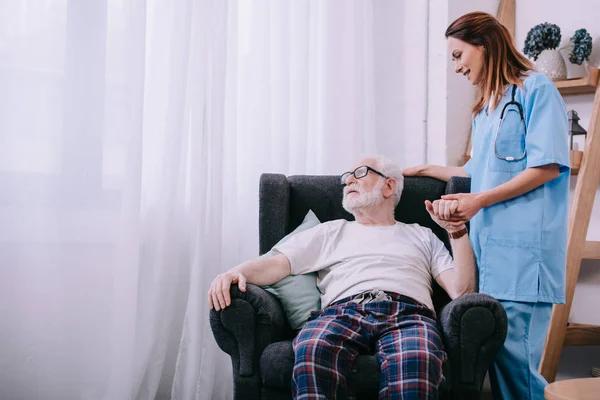
Hospice care is a specialized form of medical care designed to provide comfort and support to patients with terminal illnesses. It focuses on improving the quality of life for patients who are nearing the end of their lives, rather than attempting to cure the illness. This type of care is typically provided when a patient has been given a prognosis of six months or less to live, although it can be extended if necessary.
The primary goal of hospice care is to manage pain and other symptoms so that patients can spend their remaining time in as much comfort as possible. This involves a comprehensive approach that addresses physical, emotional, social, and spiritual needs. A team of healthcare professionals works together to create an individualized care plan tailored to each patient’s specific situation. This team often includes doctors, nurses, social workers, chaplains, counselors, and trained volunteers who work collaboratively with family members.
home health care service
One significant benefit of hospice care is its focus on pain management and symptom control. Patients receive medications and therapies designed to alleviate discomfort without aggressive treatments that might cause additional suffering or diminish their quality of life. The hospice team regularly assesses the patient’s condition and adjusts treatment plans as needed.
Emotional support is another critical component of hospice care. Patients often experience anxiety or depression as they face the end-of-life process. Hospice programs offer counseling services not only for the patient but also for family members who may be struggling with anticipatory grief or stress related to caregiving responsibilities.
Hospice also provides practical assistance by helping families navigate complex medical decisions and coordinate logistics such as medication delivery or equipment setup at home. Many hospices offer respite care options giving caregivers temporary relief from their duties so they can rest or attend personal matters knowing their loved one continues receiving attentive professional attention.
Spiritual guidance forms an integral part too; many people find solace in exploring existential questions during this stage — whether through religious practices like prayer/meditation led by chaplains familiar across diverse faiths—or philosophical discussions facilitated by trained staff sensitive toward individual beliefs/preferences—ensuring holistic peace beyond mere physical alleviation alone!
Furthermore—and perhaps most importantly—hospice emphasizes dignity throughout every aspect involved: respecting choices regarding how/where someone wishes spending final days (e.g., preferring surrounded beloved ones within familiar surroundings versus institutional settings) alongside honoring advance directives previously established concerning interventions desired/not wanted under certain circumstances ensuring autonomy upheld till very end despite limitations imposed due illness progression itself!
In summary then: understanding what makes up essential elements surrounding provision thereof reveals myriad advantages accruing both directly indirectly benefitting not just those directly affected medically speaking—but entire familial networks indirectly touched thereby fostering environments conducive healing acceptance ultimately transcending mere survival considerations alone!
Aspen Grove Hospice
14001 E Iliff Ave #204, Aurora, CO 80014
720-999-9854
