
When an air conditioning system is not performing optimally, it can be challenging to determine whether the issue stems from airflow problems or a refrigerant undercharge. Both conditions can cause similar symptoms, such as insufficient cooling and increased energy consumption, but they have different origins and require distinct solutions. Understanding how to differentiate between these two common issues is essential for effective troubleshooting and repair.
Airflow problems typically arise when there is an obstruction or restriction in the movement of air through the HVAC system. This can occur due to dirty or clogged filters, blocked vents, malfunctioning fans, or ductwork leaks. When airflow is restricted, the system struggles to circulate cool air properly throughout the space. As a result, some rooms may feel warmer than others, and overall comfort levels decline despite the unit running continuously. One key indicator of airflow issues is uneven cooling distribution combined with unusual noises like whistling or rattling coming from vents or ducts.
In contrast, refrigerant undercharge refers to a situation where there is insufficient refrigerant within the AC system’s closed loop. Refrigerant plays a critical role in absorbing heat from indoor air and releasing it outside during operation. If there isn’t enough refrigerant due to leaks or improper charging during installation or maintenance, this process becomes inefficient. Signs of low refrigerant include longer cooling cycles without achieving desired temperatures and ice buildup on evaporator coils caused by inadequate heat absorption.
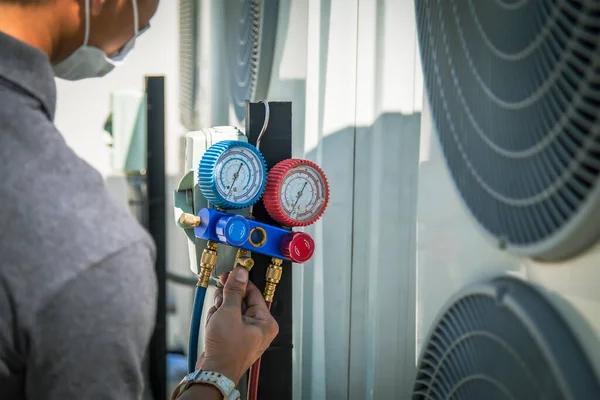
To distinguish between these two problems more precisely requires careful observation and sometimes professional diagnostic tools. Checking for airflow issues involves inspecting filters for dirt accumulation and ensuring all supply registers are open and unobstructed. Additionally, verifying that blower fans operate correctly helps confirm proper air circulation within get the complete picture other hand, assessing refrigerant levels generally demands specialized gauges used by HVAC technicians since handling refrigerants requires certification due to safety regulations. Technicians measure pressure readings against manufacturer specifications; abnormal pressures often indicate leaks needing repair before recharging with additional refrigerant.
Another practical way homeowners might notice differences lies in temperature drops across components inside their units: reduced airflow typically results in minimal temperature difference between return air entering the coil versus supply air leaving it because less cooled air moves through; meanwhile low refrigerant causes significantly lower temperatures at output but poor overall performance because heat transfer efficiency declines sharply.
Ultimately distinguishing between airflow restrictions and low refrigerant charge ensures targeted repairs that restore efficient operation without unnecessary expenses on incorrect fixes. Regular maintenance including filter changes alongside professional inspections can prevent both issues from developing into costly breakdowns while maintaining comfortable indoor climates year-round effectively addressing root causes rather than symptoms alone enhances longevity of equipment making accurate diagnosis invaluable for any property owner relying on climate control systems consistently functioning well over time.
