
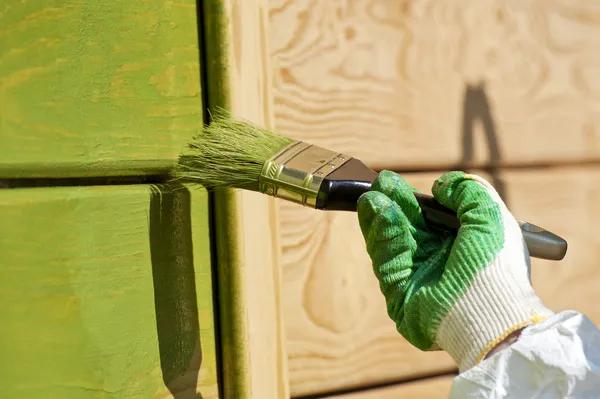
When embarking on an office painting project, efficient phasing strategies are crucial to minimize disruption and ensure a seamless transformation. Proper planning and execution can lead to a successful outcome that revitalizes the workspace without compromising productivity.
The first step in developing an efficient phasing strategy is thorough assessment and planning. Begin by evaluating the size of the office, its layout, and the number of employees. This will help determine how to divide the space into manageable sections for painting. Consider factors such as high-traffic areas, operational priorities, and any deadlines or events that may impact scheduling.
Once you have a clear understanding of the space, communicate with all stakeholders involved. find more on this website includes management, employees, and contractors. Transparency about timelines, potential disruptions, and expectations is key to gaining cooperation from everyone affected by the project. By involving employees in discussions about their needs and concerns, you can devise a plan that accommodates their work schedules while ensuring minimal inconvenience.
Next comes scheduling. An effective approach is to implement a phased timeline where different sections of the office are painted sequentially rather than all at once. Start with less frequently used areas or those that do not disrupt daily operations significantly—such as meeting rooms or storage spaces—and gradually move towards more critical zones like open-plan offices or reception areas during off-peak hours or weekends.
To further streamline the process, consider employing quick-drying paints or low-VOC (volatile organic compounds) options which reduce odor and drying time significantly. This allows for faster turnaround between phases without compromising air quality—a crucial factor in maintaining employee comfort throughout the project duration.
Another vital aspect involves logistics management: ensuring supplies are readily available when needed eliminates unnecessary delays caused by waiting for materials mid-project phase transitions; this includes paint colors pre-approved beforehand along with necessary equipment like brushes/rollers according-to-type-of-surface-being-painted-upon (e.g., walls vs ceilings).
Moreover; hiring experienced professionals who specialize specifically within commercial environments guarantees adherence towards safety protocols alongside delivering high-quality finishes efficiently across varying surfaces found typically inside modern-day offices today—ranging anywhere between drywall partitions up until intricate architectural details present around window frames/doorways alike!
Lastly yet importantly enough remember contingency plans must always remain part-and-parcel whenever dealing unforeseen circumstances arise unexpectedly disrupting original schedules set forth initially thereby allowing flexibility adapting swiftly accordingly without causing undue stress amongst workforce members already impacted change brought upon due ongoing renovations underway simultaneously elsewhere premises themselves too potentially affecting overall morale negatively if left unchecked unmanaged properly from outset itself henceforth onwards till completion date achieved successfully!
