
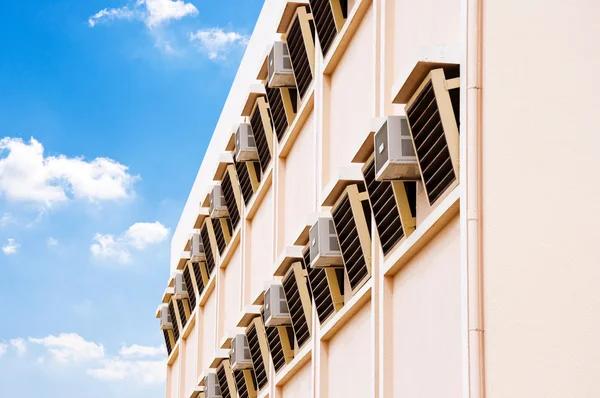
A window air conditioner is a compact cooling appliance designed to fit into the frame of a window, providing an efficient way to cool individual rooms or small spaces. It operates by drawing warm air from inside the room and passing it over cold evaporator coils, which absorb heat. This cooled air is then blown back into the room while the extracted heat is expelled outside through condenser coils located on the unit’s rear side. The design allows for both cooling and dehumidifying, making indoor environments more comfortable during hot weather.
Installation of a window air conditioner involves fitting it securely within a window opening, ensuring that it seals properly to prevent warm outside air from entering and cool indoor air from escaping. Most units come with adjustable side panels or foam strips to fill gaps between the unit and window frame. Proper installation affects not only efficiency but also safety since these appliances are relatively heavy and must be supported correctly.
Window air conditioners vary widely in their cooling capacity, which is measured in British Thermal Units (BTUs). The appropriate BTU rating depends on room size; smaller rooms require less power while larger spaces need higher BTU units for effective cooling. Selecting an undersized model will fail to cool adequately, whereas an oversized one may cycle too frequently, wasting energy and reducing comfort due to uneven temperature control.
Energy efficiency is another important consideration when choosing a window AC unit. Many models feature Energy Star certification indicating they meet specific energy-saving standards without compromising performance. Features such as programmable timers, sleep modes, and adjustable fan speeds help reduce electricity consumption further by allowing users to customize operation according to their needs.
Maintenance of a Window Air Conditioner includes regular cleaning of filters to maintain airflow and improve indoor air quality. Dirty filters can cause strain on the compressor leading to reduced lifespan or breakdowns. Additionally, checking for any blockages around external vents ensures proper heat dissipation outside your home.
Modern units often include additional functionalities like remote controls for convenience or built-in thermostats that automatically regulate temperature settings based on user preferences. Some models even offer smart connectivity options compatible with mobile apps or voice assistants for seamless integration into smart home systems.
In summary, a window air conditioner offers an affordable and practical solution for localized cooling needs with straightforward installation requirements. Understanding its operation principles, selecting the right size based on room dimensions, prioritizing energy-efficient features, and performing routine maintenance will ensure optimal performance throughout hot seasons while keeping utility costs manageable.
